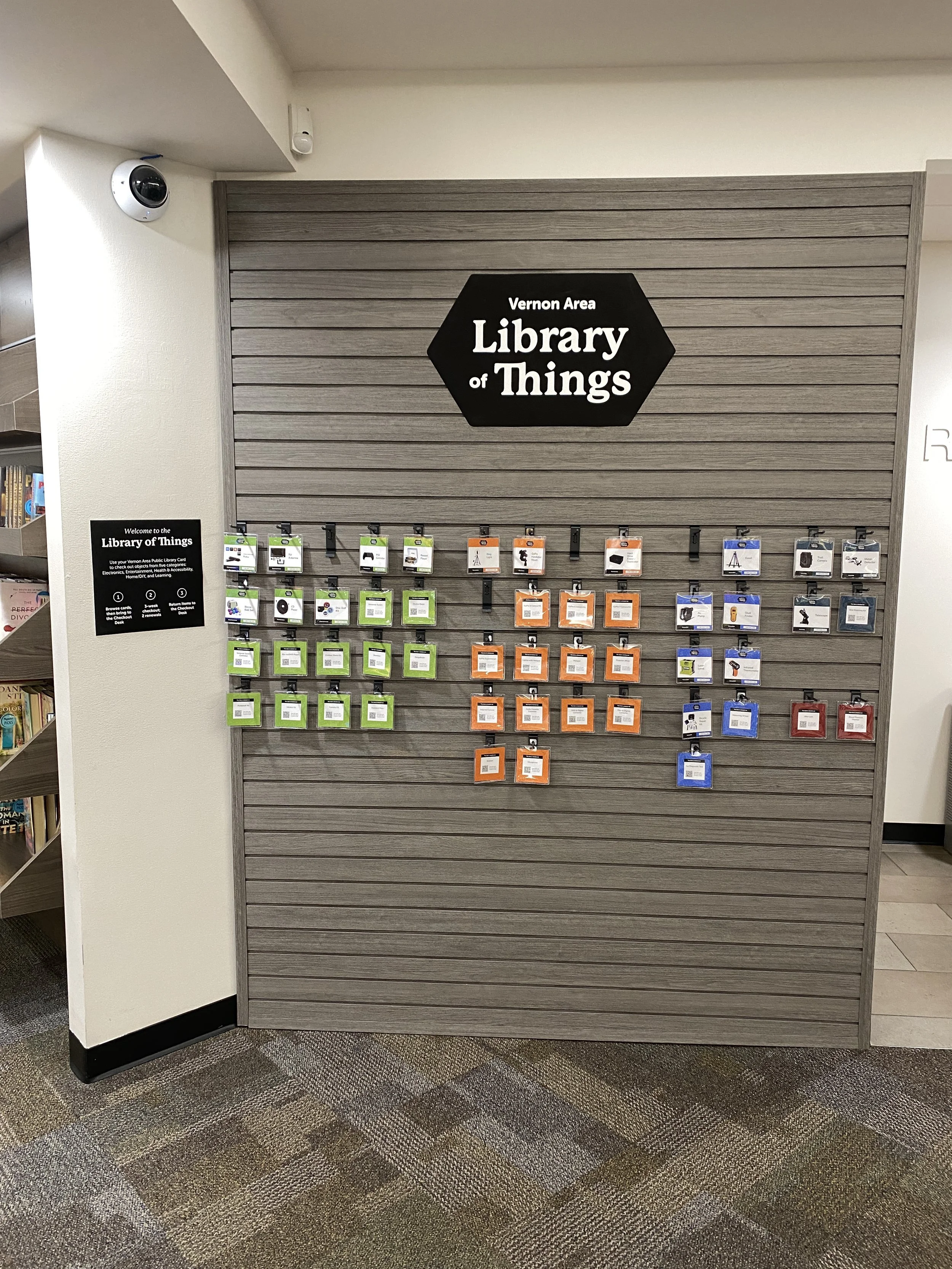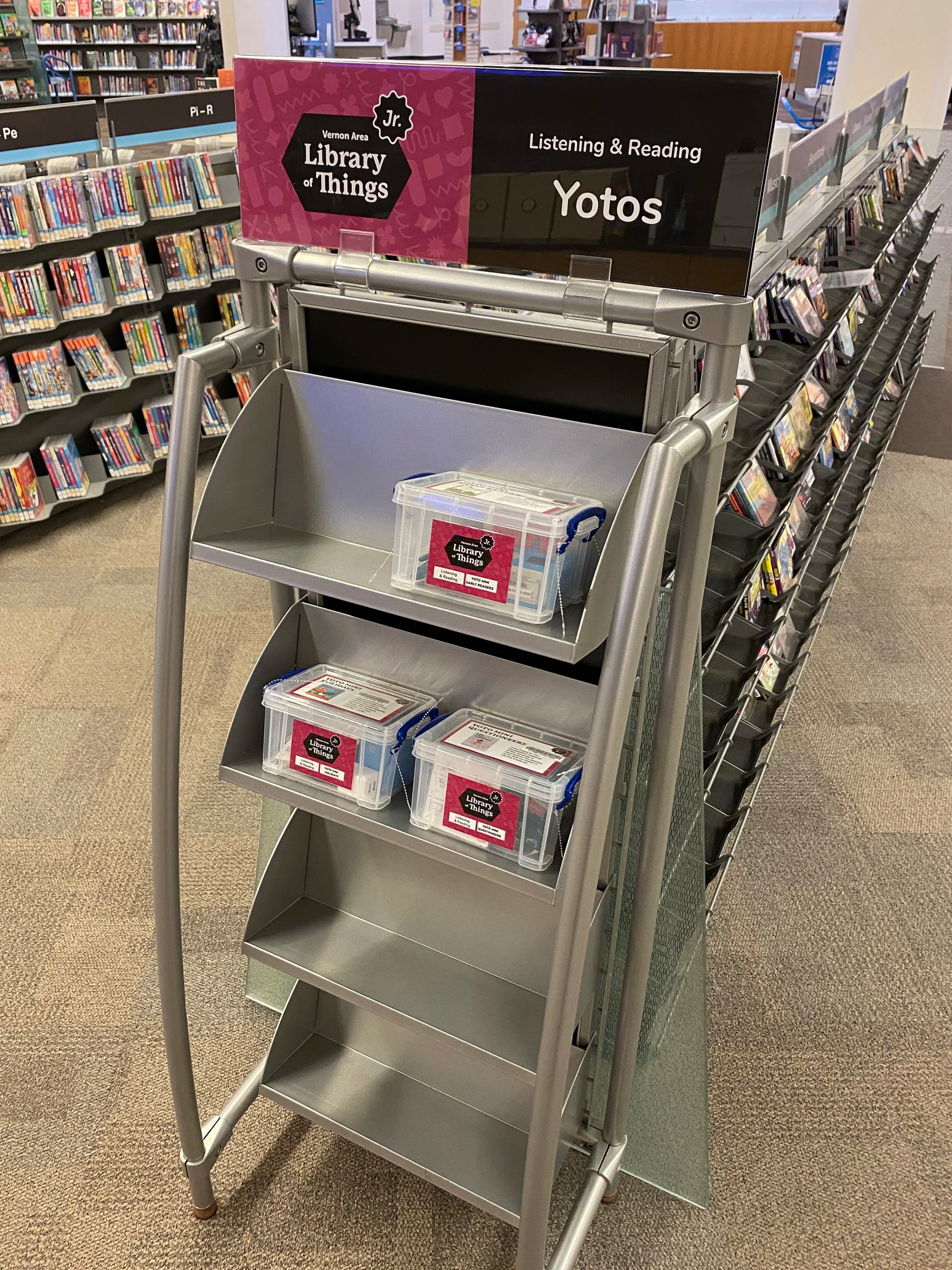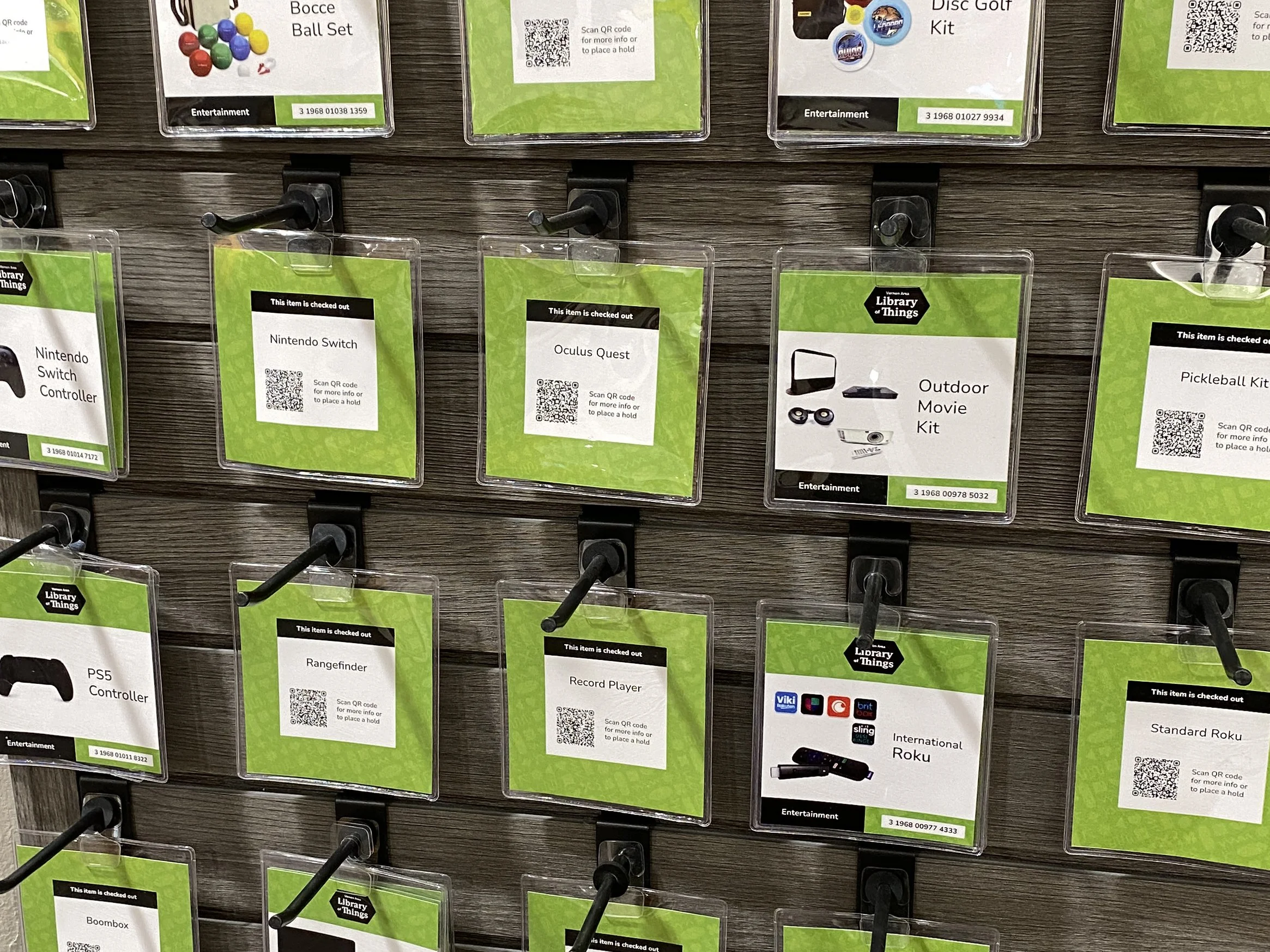

I designed a brand and operational template system supporting a 380+ item inventory that enabled non-design staff to independently produce consistent materials at scale.
Challenge
Project required branding and operational infrastructure
Four main audiences needed to interact with the system: end users, program coordinators, operations staff, fulfillment teams
Needed to align with parent brand without duplicating it
Non-design staff needed to produce consistent outputs independently
Growing inventory required scalable organization and production logic
Solution
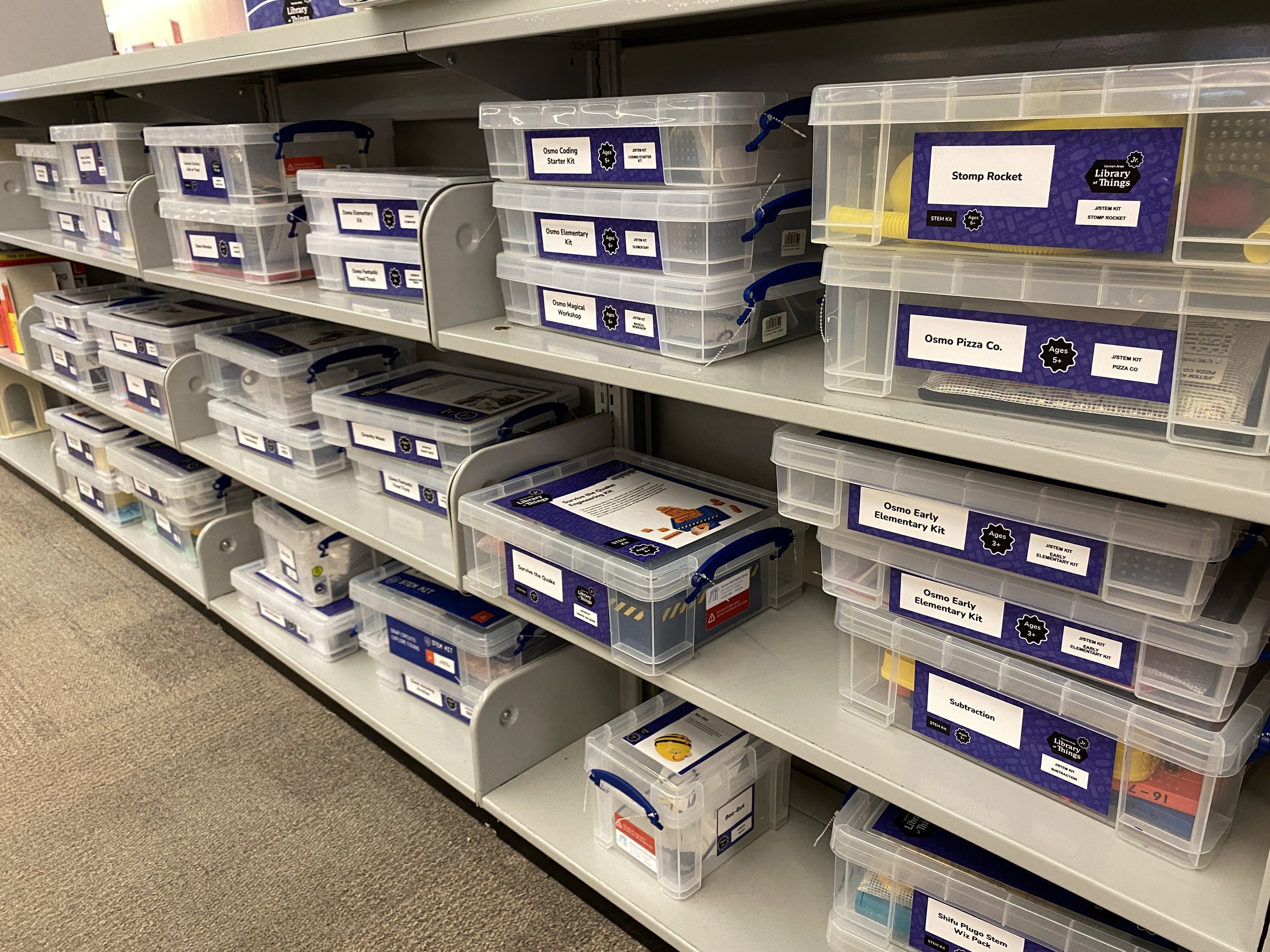
Developed two distinct but connected visual systems: card-based identity for adult collection and packaging-based identity for youth collection
Unified both systems through a shared color-coded category architecture
Designed color system to balance categorical differentiation, accessibility, and brand cohesion
Removed text contrast variability by restricting color usage to backgrounds and accents
Built all templates in Google Slides to match existing organizational infrastructure
Used element locking to eliminate design decision-making during staff production
Conducted working sessions with multiple departments to align system with operational realities
Built shared production infrastructure and file architecture across both collections
Results
30+ modular templates adopted organization-wide
Supports 380+ inventory items across two collections
Staff independently create materials for new inventory
System designed to scale without requiring redesign
Integrated into existing organizational tools and workflows